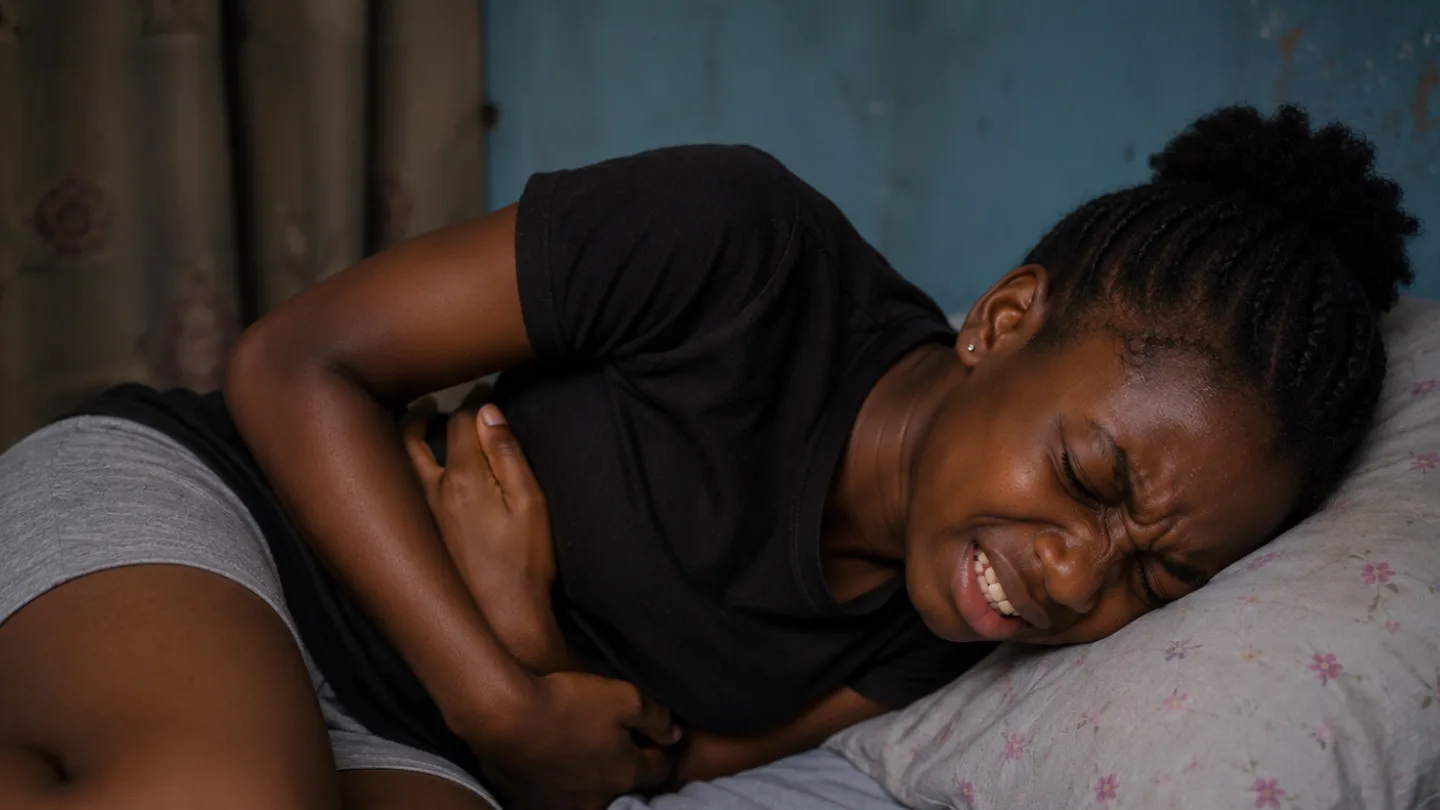
Chioma was in bed one night when the pain started. Sharp, stubborn aches in her hands and feet, like someone was squeezing her bones from the inside. She curled under her blanket, sweating and shivering at the same time.
On the outside, she looked fine. But inside her body, a crisis had started. She was having what doctors call a vaso-occlusive crisis.
So, What Is a Sickle Cell Crisis?
When you have Sickle Cell Disorder (SCD), your red blood cells are not round and flexible like other people. They are shaped like crescents or sickles and they do not flow easily. Sometimes, they get stuck in small blood vessels and block oxygen from reaching parts of your body. That is when the pain hits.
It can come in your chest, back, stomach, legs, even your arms. For some people, it feels like hot needles. For others, it is a deep, throbbing pain that won’t go away no matter how much you rest.
What Triggers It?
Honestly? Everyday Nigerian life.
Cold harmattan air that gets into your bones.
Skipping water on a busy day in traffic.
An infection from unwashed hands or untreated wounds.
A short flight without enough hydration.
Even stress or intense physical activity can trigger it. That is why someone might seem okay in the morning and be hospitalised by evening.
Can Children Survive This?
Yes. If they get the right care. But the sad truth is, many children with severe sickle cell in Nigeria do not make it past age five. It is not because the disease is unbeatable. It is because of late diagnosis, poor access to hospitals and zero awareness.
A simple fever can escalate fast without urgent care. That is why every parent, guardian and teacher need to know the signs and act quickly.
So, How Do People Manage It?
For Chioma, it starts with water. Then painkillers like paracetamol, sometimes stronger meds. Some days, rest is enough. Other times, it is oxygen, IV fluids or a blood transfusion at the hospital.
There is also hydroxyurea, a medication that helps reduce how often crises happen. But not many Nigerian children get it early enough or at all. Less than 1 in 3 eligible kids are started on it before their first birthday.
How Can You Help?
You do not need to be a doctor to care.
Remind them to stay hydrated.
Encourage them to dress warm during harmattan.
Do not downplay their symptoms.
If a child is having frequent pain, ask about their genotype and follow up.
#SickleCellCrisis #InvisiblePain #KnowYourGenotype #SickleCellAlert