Exchange Blood Transfusion (EBT)

Specialist intervention to manage severe sickle cell complications and improve patient health outcomes.

Exchange blood transfusion preparation

What It Is

Exchange Blood Transfusion (EBT) is a life saving treatment that uses an advanced apheresis machine to replace abnormal sickle red blood cells with healthy donor red blood cells. During the procedure, the patient’s blood is processed automatically, removing defective cells while returning their own plasma along with healthy Hb AA red blood cells. The treatment is efficient and is typically completed in about one hour.
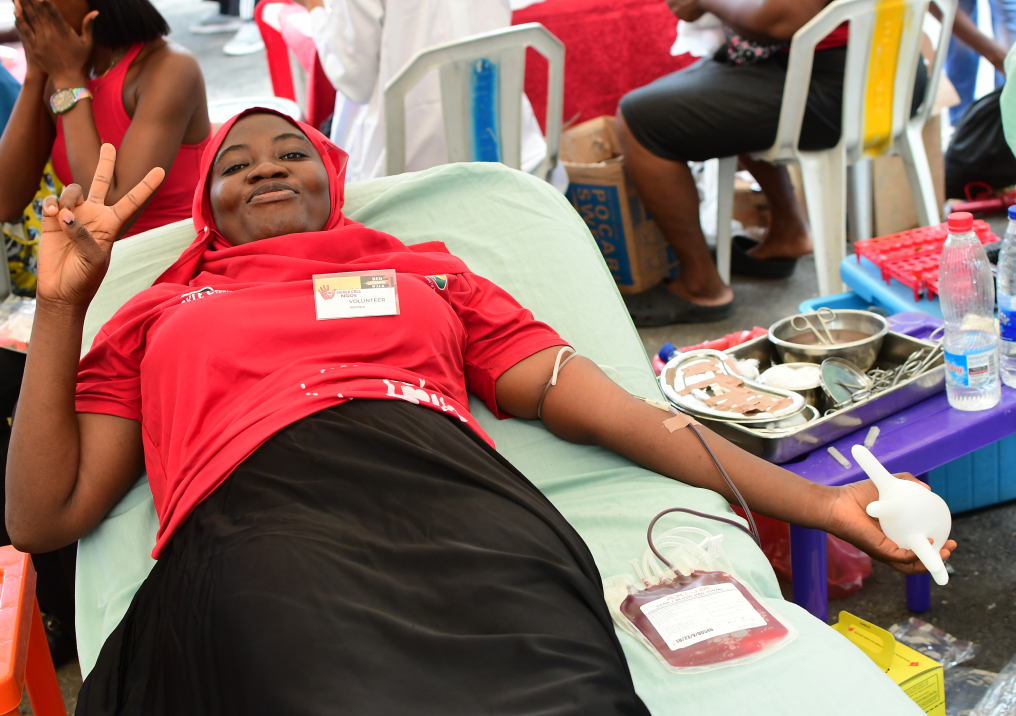
A volunteer donating blood at an SCFN blood drive.

Why It Matters

EBT significantly improves oxygen delivery throughout the body, helping patients recover more effectively than a simple blood transfusion. It also reduces the risk of iron overload, a common complication of repeated top up transfusions. By lowering the proportion of Hb SS red blood cells from about 85 to 90 percent to around 30 percent, the procedure helps prevent severe complications and improves the overall clinical condition of people living with sickle cell disorder.

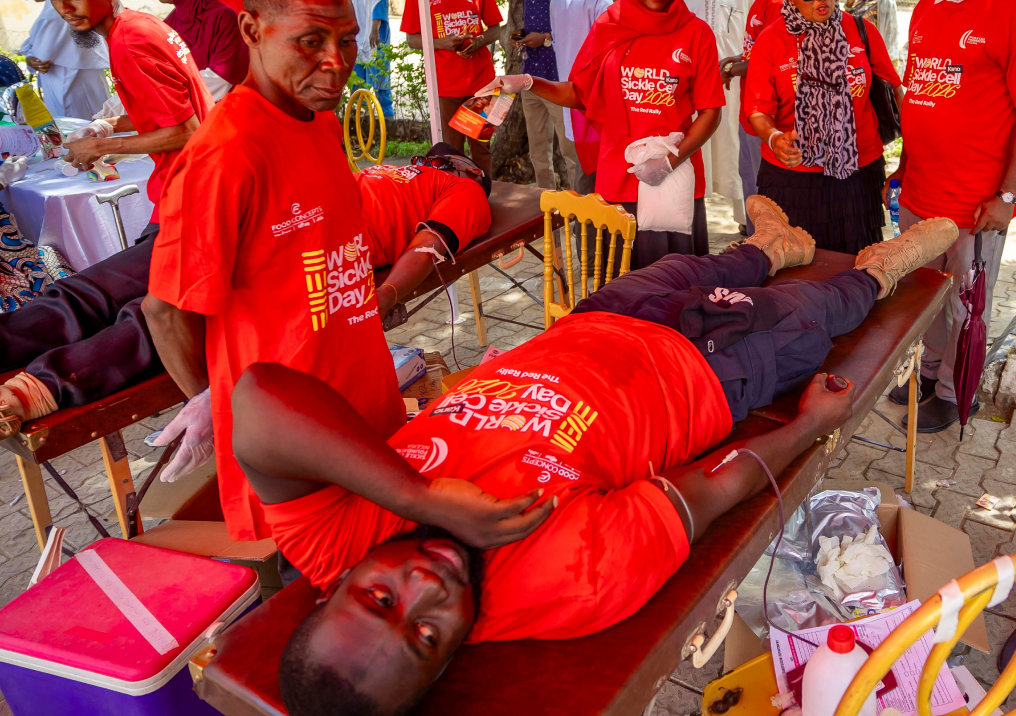
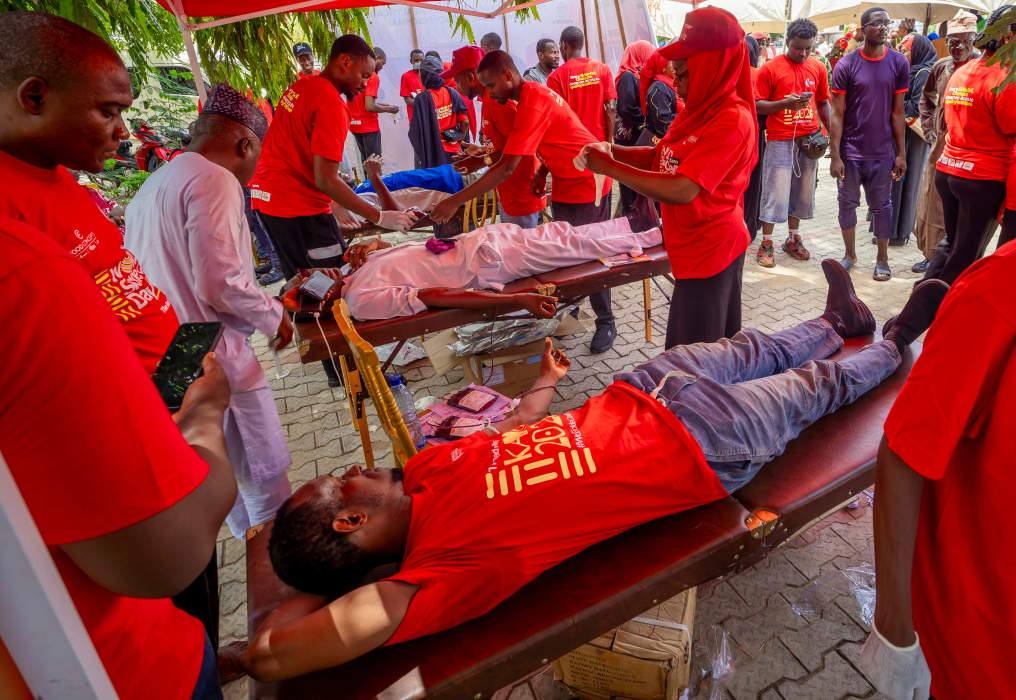
Volunteers supporting donors at an SCFN blood drive.

Our Impact

Our National Sickle Cell Centre provides this specialised, life saving service to individuals experiencing severe complications of sickle cell disorder. Through advanced technology and expert care, we continue to improve patient outcomes and quality of life. To date, more than 346 people have benefited from our Exchange Blood Transfusion programme.

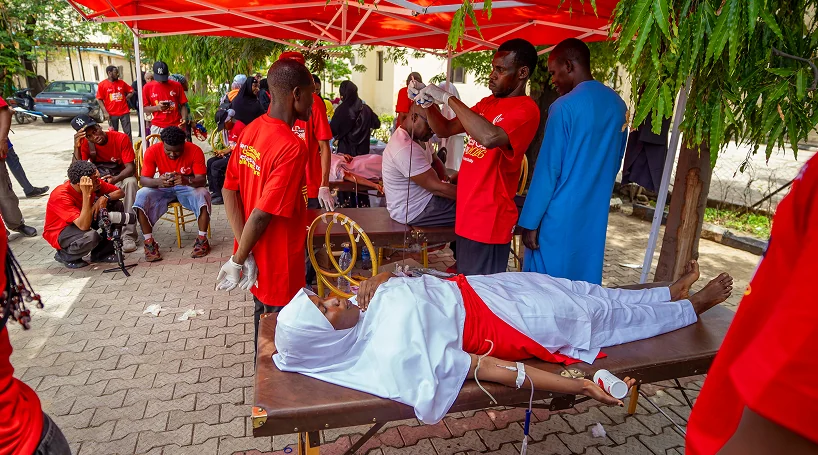
An SCFN blood-drive volunteer assisting a reclining donor.