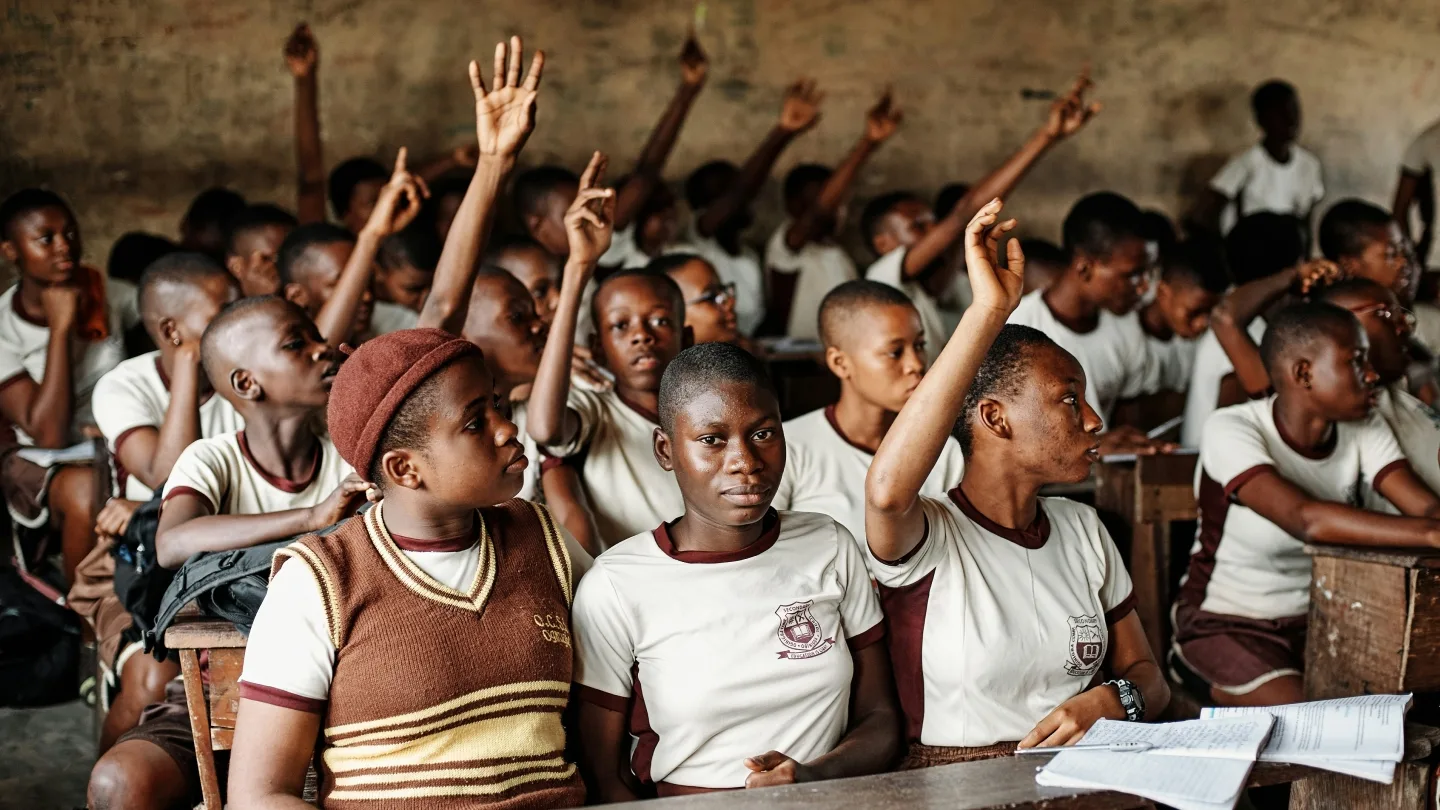
Every September, Damilola watched her classmates race to school with new bags and shiny shoes. She had another crisis which has led to another week of missed lessons and another teacher who would sigh when she returned and say, "Damilola, you have fallen behind again” because she was eight years old living with Sickle Cell Disease.
Children with SCD in Nigerian schools face a silent kind of discrimination. They miss school during crises and fall behind on classes. They are told not to play during break so they don’t get tired and are excluded from sports day, inter-house competitions and excursions.
What Schools Do Not Know
Teachers are not doctors but they can be first responders if they have the right information and awareness. A child in a classroom who suddenly becomes pale, confused, complains of severe chest or back pain, or whose lips look unusually white may be entering a crisis. The correct response is not to send them to sit in one corner but to provide water, warmth, rest and urgent contact with parents.
What Can Actually Help
Schools need basic sickle cell awareness and parents of children with SCD also need to communicate their child's condition clearly to teachers at the beginning of every school session.
#SickleCellKids #ChildrenAndSickleCell #SickleCellAwareness #SickleCellNigeria #GenotypeMatters